Isla Isabela
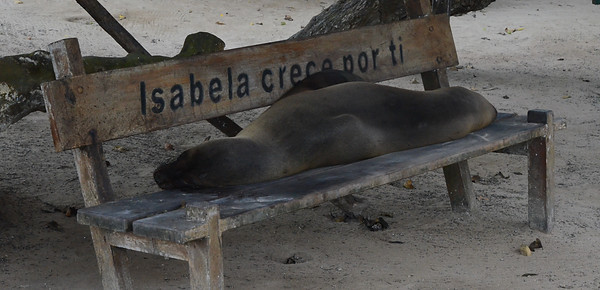
Isla Isabela is the largest island in the archipelago, made of a series of interconnected volcanoes. Due to its size, Isabela can be split into microbiomes, including lush forests and barren calderas, showing how varied the biodiversity is in the landscape.
Why visit Isabela?
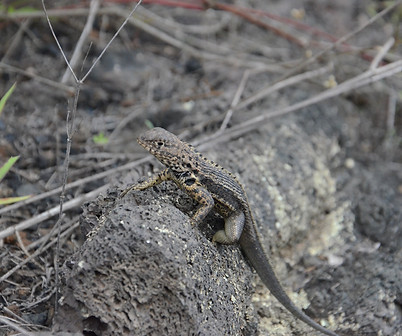
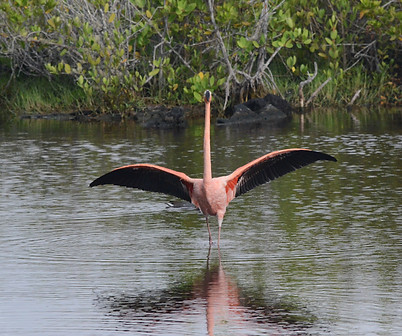
Isabela is one of the major islands, and because of this has a large range of organisms which call this island home. One major feature is Sierra Negra, a massive 7.2 x 9.3 crater, the largest in the Archipelago. Many species inhabit the area around it, such as Lava Lizards which are found running all around the barren rocks. Closer to the coast is Los Tuneles, a series of lava tunnels which collapsed and are now home to numerous aquatic animals, one being the Galapagos Penguin which can sometimes be seen hunting in this area. The greatest draw of Isabela is however the Tortoise Breeding Centre, where the Isabela Tortoise is carefully studied, to ensure safety in the wild. Not only this, but just outside is a series of brackish pools, where Flamingos enjoy as a hunting and resting ground. Altogether, this mixture of opportunities make Isabela a must see for any visitors in the archipelago.
Meet the Animals
A quick look at who you will see on Isla Isabela